Living Craft: Homes Shaped by Alpine–Adriatic Vernacular

Grounded in Landscape: Stone, Timber, Snow, and Salt Air

Rooms that Hold Warmth: Hearth, Stube, and Shared Table
Limewash, Capillarity, and Weathering Gracefully
Traditional limewash reflects light softly, resists fungi, and dries without trapping vapor. Its capillary action draws moisture outward, protecting stone and brick. Tinted with mineral pigments, it ages gracefully, picking up handprints and sun streaks that tell stories. Try small patches, layering translucency until the room feels balanced.
Clay Plasters for Calm, Tactile Walls
Clay plasters buffer humidity, calm acoustics, and welcome repair. Mixed with straw, marble dust, or fine sands, they build subtle textures that photographs rarely capture. A Friulian plasterer once compared troweling to buttering bread; the pace matters. Practice on a closet wall, then graduate to living spaces.
Selecting Larch, Chestnut, and Beech with Purpose
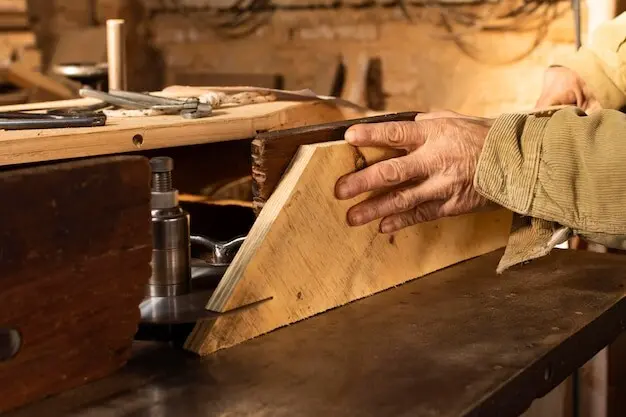
Larch shrugs weather on sills and cladding, chestnut resists insects under floors, and beech makes sturdy furniture with a quiet grain. Source locally, air-dry patiently, and respect orientation of growth rings. Choosing boards for scent, weight, and workability builds furniture and trim that invite daily care.
Craft with Science: Updating Traditions Without Losing Soul
Structure: CLT, Timber Frames, and Honest Connections
Mass timber panels carry loads efficiently, yet a single expressed scarf joint can whisper lineage. Where engineers require steel, celebrate it honestly. Design for disassembly, avoid hidden cavities, and draw details big. A carpenter’s pencil line should still explain how the corner drains, breathes, and ages well.
Envelope: Windows, Shutters, and Deep Eaves
Triple-glazed windows reduce loss, but their charm grows with operable shutters, deep reveals, and sills that welcome elbows and pots. Eaves sized for solstice sun temper glare and summer heat. Night-flush strategies and cross ventilation honor older habits, saving energy while keeping rituals tactile and satisfying.
Insulation: Wood Fiber, Hemp–Lime, and Mineral Options
Insulation need not smother walls. Wood fiber boards, hemp–lime mixes, and mineral wool can keep assemblies vapor-open while hitting targets. Pair with smart membranes, lime plasters, and careful tapes. Prioritize continuity at junctions, then celebrate surfaces so the house’s breath remains visible, audible, and reassuring.
Outdoor Rooms: Courtyards, Loggias, Hayracks, and Terraces
Start Your Project: Steps, Sourcing, and Stewardship