Faces and Hands of the Alps-to-Adriatic
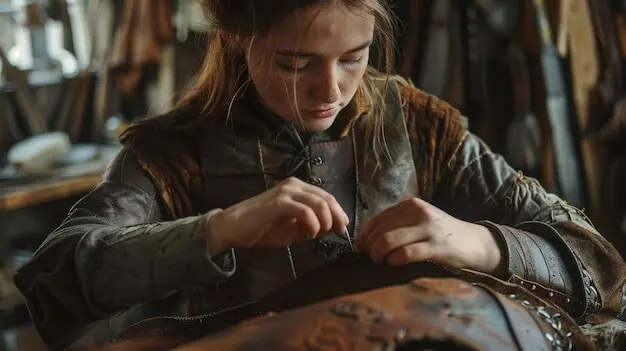
Today we spotlight profiles of Alpine Adriatic artisans and their workshops, tracing real lives and careful hands from South Tyrol and Carinthia through Friuli Venezia Giulia, the Slovene Karst, and Istria, revealing techniques, materials, and intimate studio rituals shaped by mountains, winds, and sea.

A Map of Craft Across Mountains and Sea

Between glacier lines and the glittering Gulf, makers speak many languages yet share one devotion to skill, stewardship, and slow attention. From luthiers above Bolzano to lace-makers in Idrija, Karst stonecutters near Trieste, and salt harvesters of Piran, each practice carries routes of trade, seasonal rhythms, and family memory, quietly binding alpine paths to maritime quays with objects meant to be used, held, cherished, and repaired.

Materials That Speak

High-elevation spruce, felled in a waning winter moon, rests in rafters where swallows nest. A carpenter runs fingertips along growth rings, reading droughts, storms, and summers. Walnut from an abandoned orchard becomes a cupboard for tea and rosemary. Birch offcuts turn into spoons. Nothing leaves the bench without a second purpose, a third renewal, and a careful oil that smells faintly of apple skins.
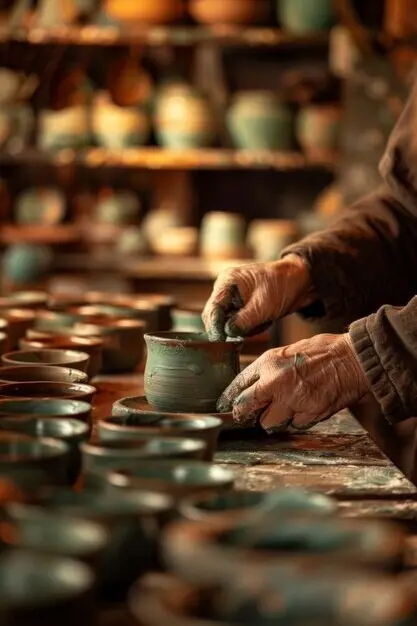
Karst limestone bears fossils like commas, pausing the story to remember seas that lifted mountains. Istrian red clay throws true on a slow wheel, holding glazes refined with brine crystals from Piran pans. A potter speaks of patience learned from evaporating basins, skimmed with wooden rakes at dusk. She says the rim must feel like a shoreline under fingers—firm, welcoming, and slightly cool.
Carnic sheep offer fleeces washed in glacier-fed streams, later dyed with walnut hulls, woad, and madder gathered after haymaking. A leatherworker in Gorizia burnishes edges with beeswax, leaving a scent of meadow flowers caught between seasons. Scarves hold valley shadows; belts remember saddle creaks. Materials arrive with stories already attached, and the maker’s task is to do no harm while adding kindness.

The Bench as Almanac

Scratches map out seasons: a gouge from a rushed winter repair, wax drips from Advent candles, chalk lines drawn after the grape harvest. The bench stores calipers beside dried thyme sprigs and receipt books. When a storm breaks over the ridge, the maker pauses to listen, then adjusts clamps tighter. Work keeps time not by clocks, but by weather, festivals, and deliveries of new timber.

Tools with Inherited Memory

A hammer passed down from Kropa strikes differently than a new one; a file bought in Villach hums across nickel silver with an old singer’s vibrato. The awl’s handle darkens where ancestors gripped. Each tool chooses the day’s pace. When apprentices ask why nothing looks factory-new, the answer is simple: precision grows with patina, and the past removes burrs the present cannot see.

Rhythms of Light, Weather, and Bells
Morning bells drift from a church up-valley; south wind carries resin scents through cracked windows. When bora gusts rattle Trieste, glaziers postpone cuts and menders tighten knots. On heatwave afternoons, work shifts to evenings, accompanied by swallows hunting midges. These rhythms protect concentration and safety, turning production into humane cadence, where care thrives and accidents step aside for unhurried, attentive hands.

Learning by Hand and Heart

An apprentice remembers the first day a knot held under tension and a mentor finally nodded. They kept a mistake shelf where failures were not hidden but labeled with dates, reasons, and fix attempts. Over time, hands learned to listen. Exams arrived quietly: a client trusted a cuff, a musician smiled after tuning, and the shop’s cat slept beside finished work without suspicion.

Crossing Borders Without Leaving Home

A weaver sells at a Sunday market where euros mingle with dialects, pastries, and advice. She trades spindle whorls for goats’ cheese from Soča Valley, gaining stories with every exchange. When customs tightened, neighbors shared vans and paperwork. Techniques travel in pockets: selvedge tricks, dye recipes, jig measurements. The map stretches and contracts here, guided by trust, weather reports, and festival calendars.

Mentors, Critics, and Honest Friends

In a backroom near Udine, three makers gather monthly to review each other’s work against strong tea and stronger laughter. Praise is specific; criticism is kinder than silence. Someone always brings a chisel to resharpen, a clasp to re-rivet, or a sketchbook to reconsider. Progress emerges from this circle: shared tools, pooled orders, and customers who witness a community, not just a solitary artisan.

Sustainability Rooted in Place

Stewardship begins with materials and extends to livelihoods. Forest cooperatives plan fellings decades ahead; clay pits are restored as wetlands; spent brine supports herb gardens. Packaging is saved, mended, repurposed. Customers are taught to maintain finishes, reheel shoes, reline jackets. The point is permanence through care, not fragility through novelty, so beauty grows richer with wear, repair, and remembered instructions.

01

Sourcing with Respect

A joiner keeps a ledger noting which valley supplied which board, and under what weather. If a slope suffered beetle damage, orders pause. A potter returns broken ware to grog, strengthening the next batch. Leather cutoffs become key fobs for the market. Tracking is not bureaucracy but gratitude, ensuring the next generation inherits both materials and methods, unspoiled, functional, and honestly accounted.

02

Designing for Repairs and Generations

Buttonholes are hand-sewn wide enough for future re-stitching; chairs have replaceable rungs; knives arrive with sharpening lessons. Makers photograph assembly steps, sending clients tiny manuals that outlive phones. A violin comes with care oil and someone’s phone number scrawled on paper. Repair is not an afterthought but a promise: we will meet again, perhaps at harvest, to keep this object faithful and ready.

03

Small Batches, Big Traceability

When output is counted in dozens, not thousands, the origin of every element stays visible. Tags list forest parcels, fleece weights, kiln temperatures, and brine days. Customers learn to ask better questions, and makers answer plainly. This visibility reduces greenwashing’s fog, replacing slogans with logbooks, photographs, and workshop visits where evidence sits under your palm, warm, heavy, and reassuringly ordinary.

Visiting, Buying, and Supporting

Stepping inside a working space is an invitation to witness concentration. Knock gently, ask if now is a good moment, and accept that some stages cannot pause. When purchasing, value time, not only materials. Commissions thrive on clear briefs, generous lead times, and updates that celebrate milestones. After delivery, share photographs, write reviews, and recommend thoughtfully, sustaining both craft and community ties.

How to Step Inside a Working Space

Wear curiosity like a coat and patience like good boots. Greet the room, not only the person, because every surface is mid-conversation. Keep hands behind your back unless invited; wood curls and greenware bruise easily. Ask what can be photographed. If you buy nothing today, buy attention: listen, learn a term, remember a name, and return when the right birthday or season arrives.

Commissioning with Clarity and Trust

Great results begin with a shared vocabulary. Bring references for proportions, textures, and use-cases; describe the story the object must carry. Expect sketches, deposits, and delays shaped by weather and life. Receive prototypes generously, offering precise feedback rather than vague wishes. Makers protect your investment with honesty about limits. Trust grows when questions meet answers early, and surprises are pleasant, not structural.

Staying Connected Beyond the Doorway

Join mailing lists that arrive seasonally, not spammy and constant. Follow process posts showing failures alongside triumphs. Attend open studios, order refills of oil or wax, and schedule tune-ups. Share maker names at dinner tables and community boards. Your engagement keeps benches lit in winter, apprentices paid, and traditions flexible enough to welcome new needs without surrendering the old, proven foundations.
Karolaxizavo
Privacy Overview

This website uses cookies so that we can provide you with the best user experience possible. Cookie information is stored in your browser and performs functions such as recognising you when you return to our website and helping our team to understand which sections of the website you find most interesting and useful.